
The Reading Pillow – TUTORIAL is a practical and heartwarming quilting project that combines comfort, organization, and handmade charm. Perfect for children, teens, and even adults who love to relax with a good book, this project creates a cozy pillow with a built-in pocket designed to hold books, notebooks, tablets, or small essentials.
Whether you’re sewing a thoughtful gift, preparing for back-to-school season, or adding handmade décor to a reading nook, a quilted reading pillow is both functional and meaningful. It’s also a fantastic project for beginners who want to practice quilting basics without committing to a full-size quilt.
In this complete guide, you’ll learn how to choose fabrics, construct the pillow step by step, add a sturdy pocket, and personalize your project for a professional finish.
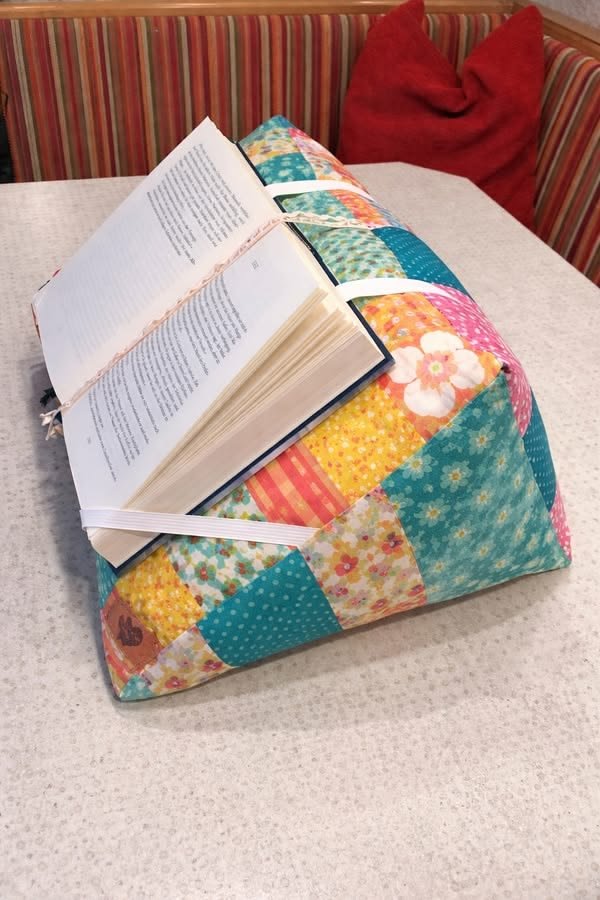
1. Understanding the Structure of a Quilted Reading Pillow
The Reading Pillow – TUTORIAL typically consists of four main components:
DISCOVER MORE FREE PATTERNS HERE!
Front quilted panel
Large front pocket
Back panel (envelope or zipper style)
Optional handle
The defining feature of a reading pillow is the large pocket sewn onto the front. This pocket is deep enough to hold books securely while keeping them easily accessible.
Standard finished pillow sizes often include:
16” x 16”
18” x 18”
20” x 20”
A 16” or 18” pillow is ideal for children, while larger sizes work beautifully for teens and adults.
The front panel is usually quilted before assembly. This adds texture, durability, and a polished handmade look. The pocket can be quilted as well or left unquilted for a smoother finish.
The back is often constructed in envelope style, allowing easy removal of the pillow insert for washing. Alternatively, a zipper can be added for a more tailored appearance.
This project combines basic quilting, straight seams, topstitching, and simple construction techniques, making it accessible and satisfying to complete.
2. Choosing Fabrics and Materials for Durability
Fabric selection is key to creating a reading pillow that is both sturdy and visually appealing.
Fabric Type
100% cotton quilting fabric is ideal. It’s easy to sew, durable, and comfortable for everyday use.
For children’s pillows, consider playful prints such as:
Animals
Stars
Storybook themes
Alphabet designs
For adults, you might choose:
Neutral tones
Floral prints
Modern geometric designs
Soft textured solids
Batting
Use lightweight cotton batting for the quilted front. It provides structure without making the pillow bulky.
Interfacing
If the pocket fabric is lightweight, adding interfacing helps it maintain shape and support heavier books.
Thread
Use strong, high-quality thread, especially when stitching the pocket and handle areas.
Pillow Insert
Choose a firm pillow insert that fills the cover completely. A full pillow gives the reading pillow its cozy, structured appearance.
Selecting coordinated fabrics ensures your Reading Pillow – TUTORIAL looks cohesive and thoughtfully designed.
3. Step-by-Step Construction Guide
Breaking the process into clear steps makes this project easy to follow.
Step 1: Cut the Front Panel
Cut one square for the front panel. Cut matching batting and backing fabric for quilting.
Step 2: Quilt the Front
Create a quilt sandwich with the front fabric, batting, and backing. Quilt using straight lines, diagonal grid, or simple free-motion designs. Trim to final size after quilting.
Step 3: Prepare the Pocket
Cut a rectangle slightly smaller than the pillow width but tall enough to hold books securely. Hem the top edge of the pocket by folding and stitching twice for a clean finish.
Optional: Quilt the pocket panel lightly for added texture.
Step 4: Attach the Pocket
Center the pocket on the lower half of the quilted front panel. Pin carefully and stitch along the sides and bottom with reinforced seams.
Step 5: Add a Handle (Optional)
Create a fabric strap by folding a long strip inward and stitching along both edges. Attach securely at the top corners of the pillow front. Reinforce stitching to support weight.
Step 6: Prepare the Back Panel
For envelope style, cut two rectangles that overlap in the center. Hem one long edge of each panel.
Step 7: Assemble the Pillow
Place the quilted front panel right side up. Position the back panels right side down, overlapping in the middle. Stitch around all four edges.
Step 8: Finish and Turn
Trim corners, turn the pillow cover right side out, and insert the pillow form.
Following these steps carefully ensures a clean, professional-looking result.
4. Creative Variations and Personalization Ideas
The Reading Pillow – TUTORIAL offers endless opportunities for customization.
Personalized Name
Add appliqué or embroidery with the child’s name above the pocket.
Patchwork Front
Piece together quilt blocks for a more detailed design.
Seasonal Themes
Holiday-themed fabrics for festive gifts
Summer prints for reading camps
Back-to-school themes for classroom gifts
Divided Pocket
Add vertical stitching to create two smaller compartments inside the pocket.
Decorative Topstitching
Topstitch around the entire pillow front for a tailored finish.
Professional Tips:
Press seams carefully for crisp edges
Reinforce pocket corners to prevent tearing
Square up quilted panels before assembly
Use a walking foot for even quilting
Because this project is practical and giftable, it’s also popular for handmade markets and personalized orders.
Frequently Asked Questions (FAQ)
Is this project beginner-friendly?
Yes. It uses straight seams and basic quilting techniques, making it suitable for confident beginners.
What size pillow insert works best?
An insert that matches your finished cover size works best. Slightly overstuffed inserts create a fuller appearance.
Can I wash the reading pillow?
Yes, if made with cotton fabrics. Remove the insert before washing the cover.
How deep should the pocket be?
Typically 10” to 12” tall works well for standard children’s books.
Can I add a zipper instead of envelope backing?
Absolutely. A zipper provides a more tailored, polished finish.
Conclusion
The Reading Pillow – TUTORIAL is a thoughtful quilting project that blends comfort, practicality, and creativity. Whether you’re making it for a child learning to love books or for someone who enjoys quiet reading time, this pillow adds warmth and personality to any space.
With careful fabric selection, precise construction, and personal touches, you can create a reading pillow that is both beautiful and functional.
Have you made a reading pillow before? Share your favorite fabric themes or creative ideas in the comments. Your inspiration might help another maker create a cozy reading companion.