
The Backpack for Rest – TUTORIAL is a creative and practical quilt-inspired sewing project designed for comfort, organization, and everyday use. Whether you are heading to a park, traveling, attending quilting retreats, or simply looking for a handmade alternative to store-bought bags, this backpack pattern offers durability with a soft quilted touch.
Unlike traditional backpacks, this design focuses on structure, padded comfort, and thoughtful compartments that make it ideal for carrying personal items, sewing tools, books, or even small picnic essentials. With quilted panels, sturdy straps, and customizable pockets, the Backpack for Rest combines the artistry of quilting with the functionality of modern bag-making.
In this complete tutorial-style guide, you’ll learn how to plan, cut, assemble, quilt, and finish your backpack while adding your own creative touches.
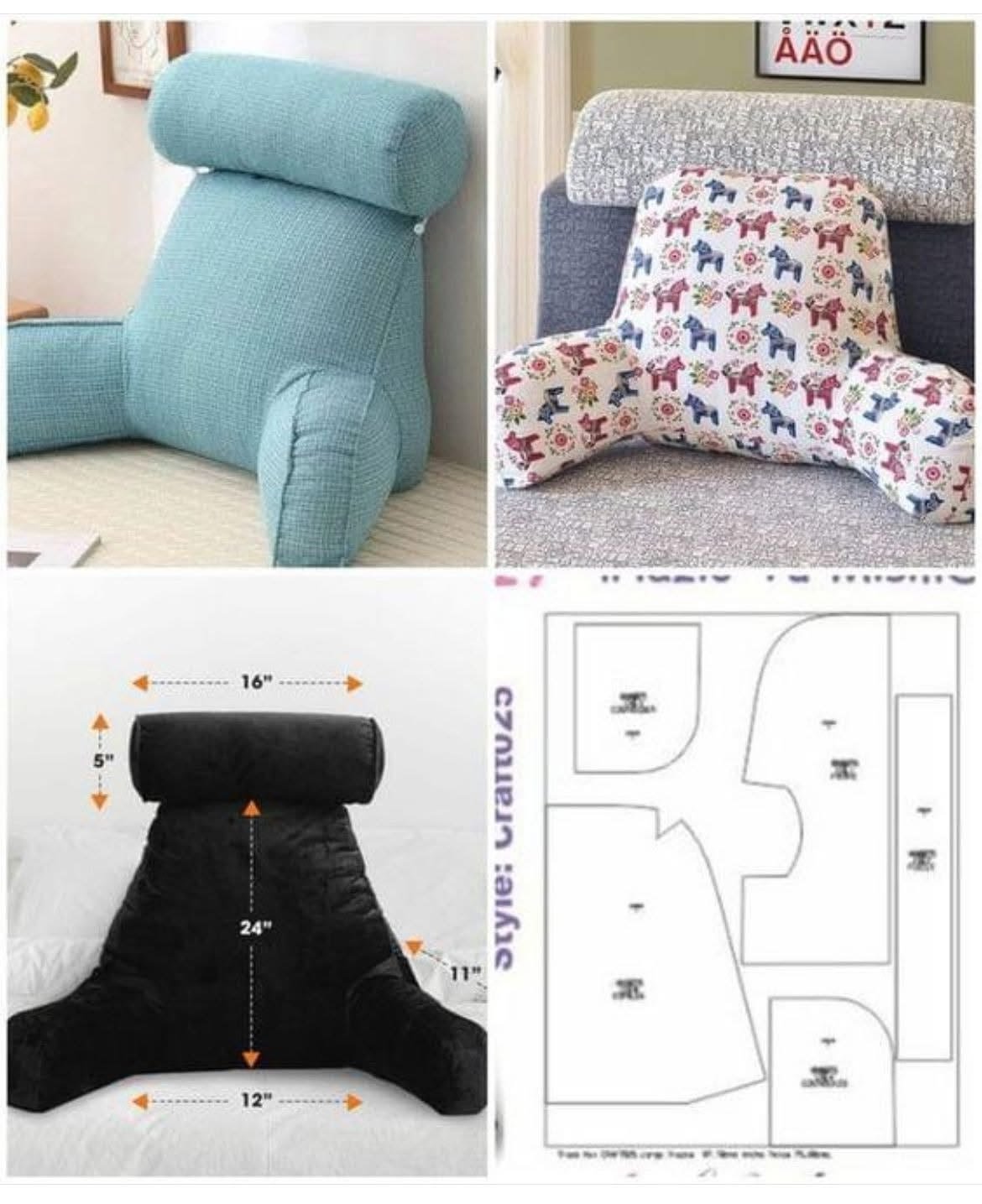
1. Understanding the Backpack for Rest Design
The Backpack for Rest – TUTORIAL is designed with both aesthetics and practicality in mind. It typically features:
DISCOVER MORE FREE PATTERNS HERE!
Quilted front and back panels
Soft batting for padding
Adjustable shoulder straps
Drawstring or zipper closure
Interior and exterior pockets
Reinforced bottom panel
The “Rest” aspect of the backpack refers to comfort — both in wearability and purpose. This backpack can be used for:
Carrying essentials during outdoor breaks
Transporting quilting supplies
Light travel or day trips
Retreats and creative workshops
Unlike basic tote bags, a quilted backpack provides even weight distribution and added comfort thanks to padded straps and structured construction.
Design variations may include:
Patchwork front panel
Minimalist solid fabric exterior
Scrappy quilted design
Modern geometric layout
The structure relies on interfacing and batting to maintain shape while still feeling soft and flexible.
2. Materials and Fabric Selection
Choosing high-quality materials ensures durability and long-term use.
Materials Needed
Quilting cotton or canvas (exterior)
Cotton fabric (lining)
Batting (low or medium loft)
Fusible interfacing (medium to heavy weight)
Zipper or drawstring cord
Webbing or fabric for straps
D-rings or strap adjusters (optional)
Rotary cutter and ruler
Sewing machine
Thread
Pins or clips
Iron
Fabric Recommendations
Exterior Fabric:
Canvas for extra durability
Denim for a structured look
Quilted cotton for softness
Interior Fabric:
Light cotton for visibility
Low-volume prints for a clean interior
Color Palette Ideas
Earth tones for outdoor adventures
Soft neutrals for minimalist style
Bright patchwork for artistic flair
Monochromatic tones for modern elegance
If using patchwork, piece your quilt panel first before cutting final backpack shapes. This ensures consistent measurements and alignment.
3. Step-by-Step Construction of the Backpack for Rest
Before starting, choose your finished size. A common size is approximately 16” tall by 12” wide with a 4” depth.
Step 1: Create the Quilted Panels
Cut exterior front and back panels.
Cut batting to match panel size.
Layer fabric and batting.
Quilt using straight lines, diagonal lines, or grid patterns.
Quilting not only adds beauty but also strengthens the structure.
Step 2: Prepare the Pocket Panels
Cut pocket pieces.
Hem top edges.
Attach pockets to the front quilted panel.
You can create:
Large front pocket
Side pockets
Hidden zipper pocket
Reinforce pocket corners with backstitching.
Step 3: Construct the Main Body
Sew side panels to the front panel.
Attach the back panel.
Box the corners to create depth.
Boxed corners are formed by flattening the bottom seam and stitching across measured points.
Step 4: Add Closure System
Choose one of the following:
Zipper closure across the top
Drawstring casing with flap cover
Magnetic snap with flap
For a flap-style backpack:
Cut and quilt a flap piece.
Attach to the top back seam.
Secure with magnetic snap or button.
Step 5: Create and Attach Straps
Cut two long fabric strips or use cotton webbing.
Add interfacing for strength.
Fold and stitch for clean edges.
Attach straps to the back panel using reinforced stitching. Add D-rings and sliders if adjustable straps are desired.
Step 6: Insert Lining
Sew lining pieces together.
Place lining inside backpack, wrong sides together.
Attach along the top edge.
Turn right side out and topstitch around the opening for a clean finish.
4. Customization Ideas and Practical Enhancements
The Backpack for Rest – TUTORIAL can be customized to fit your lifestyle.
Creative Additions
Quilted name tag
Decorative embroidery
Appliqué accents
Leather strap details
Contrast binding
Functional Enhancements
Laptop sleeve
Water bottle holder
Key leash inside pocket
Padded bottom reinforcement
Hidden security pocket
Style Variations
Minimal modern solid design
Vintage-inspired patchwork
Rustic denim aesthetic
Retreat-ready sewing backpack
This backpack is ideal for:
Quilters attending workshops
Students
Travelers
Hobbyists
Outdoor enthusiasts
Its quilted structure makes it both stylish and protective for delicate contents.
FAQ – Backpack for Rest
Is this project beginner-friendly?
Confident beginners can complete it, especially with basic bag-making experience.
How long does it take to make?
Typically one full weekend project.
Can I use thicker fabric?
Yes, but adjust needle size and consider reducing batting thickness.
How do I reinforce strap areas?
Use box stitching or X-shaped reinforcement for durability.
Is quilting necessary?
Not mandatory, but recommended for added structure and aesthetic appeal.
Conclusion
The Backpack for Rest – TUTORIAL is a rewarding blend of quilting artistry and functional sewing. By combining quilted panels, thoughtful pocket placement, and reinforced construction, you create a backpack that is both beautiful and practical.
Whether you choose bold patchwork or a sleek minimalist design, this project allows you to carry a piece of handmade craftsmanship wherever you go. With careful assembly and attention to detail, your backpack will serve you reliably for years to come.
If you enjoyed this tutorial, share your finished backpack, leave your feedback, and tell us how you customized your design. Your handmade creation might inspire others to craft their own functional quilted companion.