The Nine Patch Quilt Block – Tutorial is one of the most timeless and versatile foundations in quilting. Simple, balanced, and endlessly adaptable, this classic block is often the first pattern beginners learn — yet it remains a favorite among experienced quilters for its flexibility and design potential.
At its core, the Nine Patch block is made from nine equal squares arranged in a three-by-three grid. While that may sound basic, the magic of the Nine Patch Quilt Block – Tutorial lies in fabric placement, contrast, and layout variations. With thoughtful color choices, this humble block can become modern, traditional, bold, subtle, or even optical in appearance.
In this guide, you’ll learn how to construct the block accurately, choose fabrics strategically, explore layout variations, and finish your quilt with a polished result.
1. Understanding the Nine Patch Structure
The beauty of the Nine Patch Quilt Block – Tutorial is its simplicity. The block consists of:
DISCOVER MORE FREE PATTERNS HERE!
Three rows
Three columns
Nine equal-sized fabric squares
Each square is typically cut to the same size and sewn together with consistent quarter-inch seams.
Basic Structure:
Top row: 3 squares
Middle row: 3 squares
Bottom row: 3 squares
While the structure is simple, the design possibilities are vast. By alternating light and dark fabrics, you can create:
Checkerboard effects
Framed center squares
Diagonal illusions
Secondary patterns when blocks are repeated
Because it is such a foundational block, mastering precision here improves your overall quilting skills. Straight seams, accurate cutting, and careful pressing are key.
This block can stand alone or serve as a building unit for more advanced quilt designs.
2. Choosing Fabrics and Creating Contrast
Fabric selection transforms the Nine Patch Quilt Block – Tutorial from simple to stunning.
Here are common layout approaches:
Classic Contrast
Alternate light and dark squares in a checkerboard arrangement. This creates high visual impact.
Framed Center
Use a bold or feature fabric in the center square and surround it with coordinating prints.
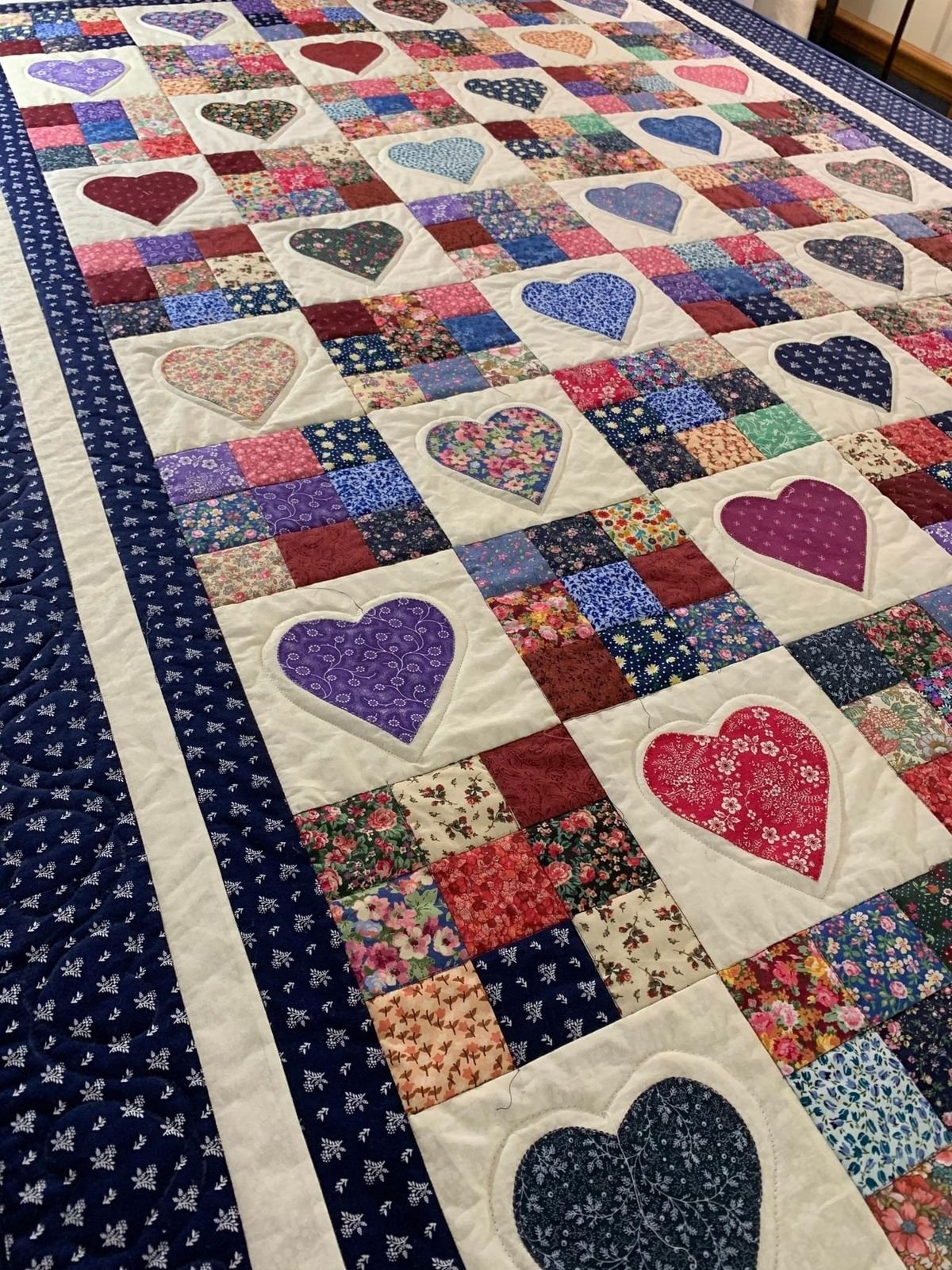
Scrappy Version
Mix multiple fabrics for each square while maintaining consistent value contrast.
Monochromatic Style
Choose varying shades of the same color for a subtle, modern look.
Value contrast is more important than print size. A strong difference between light and dark fabrics ensures the block design stands out clearly.
Helpful preparation tips:
Press fabric before cutting
Use a rotary cutter and ruler for accuracy
Starch lightly to reduce fabric shifting
Label pieces if working with multiple colors
The more precise your cutting, the easier your block assembly will be.
3. Step-by-Step Construction Guide
The Nine Patch Quilt Block – Tutorial is straightforward when broken down into clear steps.
Step 1: Cut the Squares
Cut nine equal-sized squares. For example, if you want a finished 9-inch block, cut nine 3.5-inch squares (accounting for seam allowances).
Step 2: Arrange the Layout
Lay out the nine squares in a three-by-three grid. Double-check color placement before sewing.
Step 3: Sew Rows
Sew the top row of three squares together using a quarter-inch seam allowance. Repeat for the middle and bottom rows.
Step 4: Press Seams
Press seams in alternating directions between rows to allow seams to nest neatly when joining.
Step 5: Join the Rows
Sew the top row to the middle row, then attach the bottom row. Match seams carefully at intersections.
Step 6: Final Press and Trim
Press the completed block flat and square it if necessary.
Accuracy is essential. Even small seam inconsistencies can affect how blocks align when sewn together into a quilt top.
Once you master this block, you can produce multiple units quickly and efficiently.
4. Layout Variations and Creative Possibilities
The real excitement of the Nine Patch Quilt Block – Tutorial begins when multiple blocks are combined.
Popular layout variations include:
Straight Set
Blocks are aligned in rows and columns for a clean, structured appearance.
On-Point Layout
Blocks are rotated 45 degrees for a dynamic diagonal look.
Disappearing Nine Patch
The block is cut into quarters and rearranged to create a more complex design.
Sashed Nine Patch
Add sashing strips between blocks for a framed effect.
You can also experiment with scale:
Small blocks for intricate quilts
Large blocks for bold modern designs
Creative Ideas:
Holiday-themed fabrics
Baby quilt color palettes
Two-color minimalist quilts
Scrappy stash-buster projects
Because of its flexibility, the Nine Patch works beautifully in both traditional and contemporary quilting styles.
Frequently Asked Questions (FAQ)
Is the Nine Patch block good for beginners?
Yes. It is one of the best beginner-friendly quilt blocks because it teaches accurate cutting and seam alignment.
What size should I cut my squares?
That depends on your desired finished block size. Add 0.5 inches to each square measurement for seam allowances.
How do I ensure my seams line up perfectly?
Press seams in alternating directions and use consistent quarter-inch seam allowances.
Can I use pre-cuts?
Yes. Charm squares and layer cakes work well for Nine Patch blocks.
What is a Disappearing Nine Patch?
It’s a variation where the completed block is cut into four smaller sections and rearranged for a more intricate look.
Conclusion
The Nine Patch Quilt Block – Tutorial proves that simplicity can be powerful. With just nine squares and thoughtful fabric placement, you can create a quilt that is classic, modern, bold, or delicate.
Perfect for beginners and endlessly inspiring for experienced quilters, this block remains one of the most beloved patterns in quilting history.
Have you created a Nine Patch quilt before? Share your favorite color combinations and layout ideas in the comments. Your creativity might inspire another quilter to start their next project today.