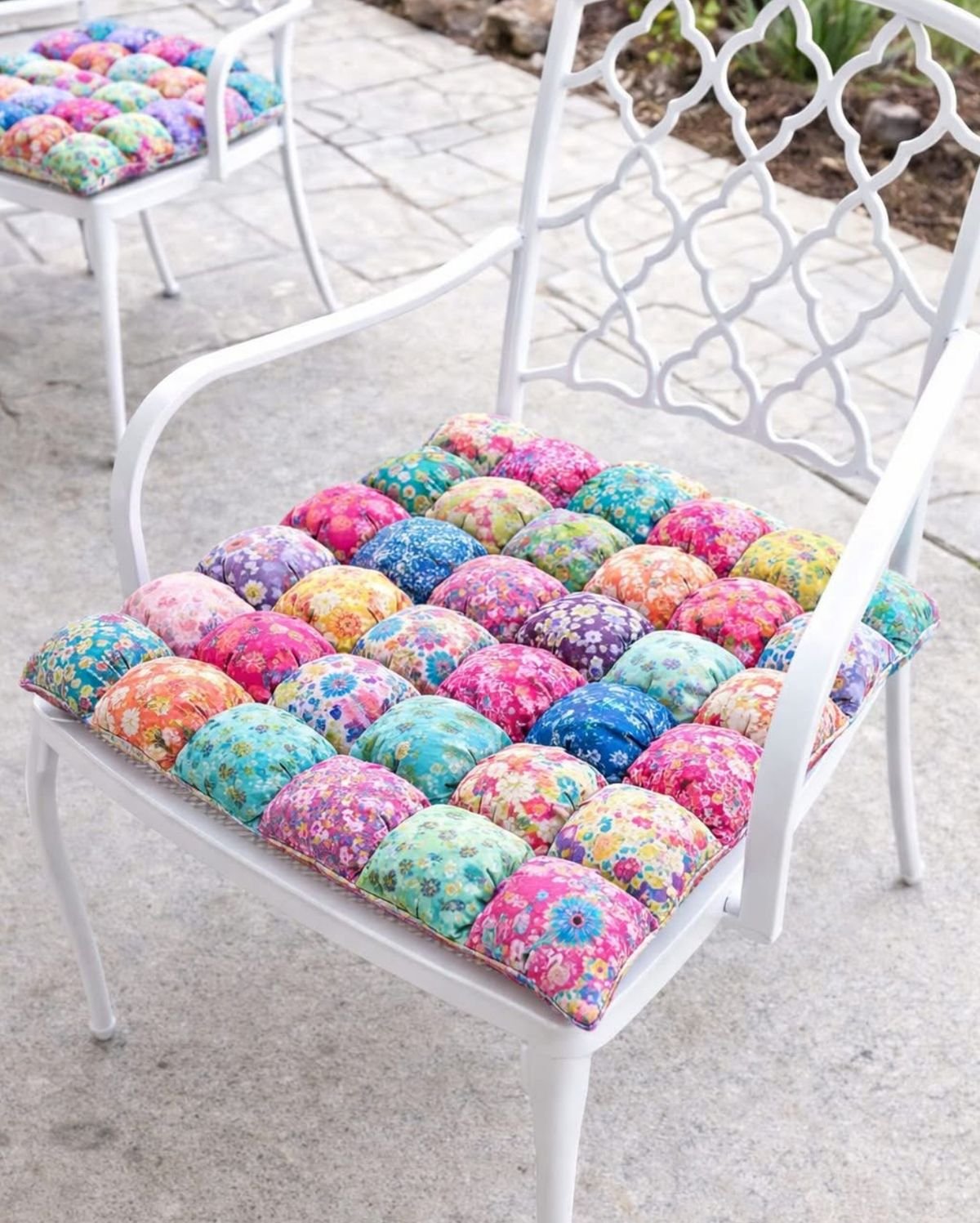
The Puff Quilt Pattern is a charming and cozy quilting project that stands out for its soft, three-dimensional texture and playful appearance. Often called a bubble quilt or biscuit quilt, this design creates small padded squares that give the quilt a fluffy and luxurious look.
Unlike traditional flat patchwork quilts, the Puff Quilt Pattern adds volume and softness, making it perfect for baby quilts, children’s bedding, decorative throws, and comforting handmade gifts. Each puff square is lightly stuffed, creating a pillowy texture that is both visually appealing and incredibly comfortable.
In this guide, you’ll learn how the puff quilt is constructed, how to choose the best fabrics and materials, and how to assemble the quilt step by step while maintaining a beautiful, balanced layout.
1. Understanding the Puff Quilt Structure
The Puff Quilt Pattern is unique because it creates a quilt made of individual stuffed pockets instead of flat patchwork blocks. Each square forms a soft bubble that gives the finished quilt its signature texture.
DISCOVER MORE FREE PATTERNS HERE!
Typically, every puff unit consists of two layers:
A top square that is slightly larger
A bottom square that forms the backing of the puff
The larger top square is sewn to the smaller bottom square while creating small pleats along the edges. These pleats give the square extra volume, which becomes the “puff” when lightly filled.
Important characteristics of the puff quilt include:
Three-dimensional quilt blocks
Soft padded texture
Simple sewing techniques
Repetitive and relaxing construction
Because each puff is created individually, the quilt grows gradually row by row. This makes the project very satisfying to assemble, as you can see the fluffy texture forming with every step.
Despite its impressive appearance, the sewing techniques required for this quilt are beginner-friendly and do not involve complex piecing.
2. Choosing Fabrics and Materials
Fabric selection plays an important role in the success of the Puff Quilt Pattern. Since the quilt features many small squares, it’s a great opportunity to mix prints, colors, and textures.
Common fabric choices include:
Quilting cotton
Flannel for extra softness
Minky or plush fabrics for a luxurious feel
Soft pastel fabrics for baby quilts
Materials needed for the project:
Fabric squares for puff tops
Fabric squares for puff bases
Polyester fiberfill stuffing
Pins or clips
Rotary cutter and ruler
Sewing machine
Thread that matches or contrasts
Many quilters love using fabric scraps for puff quilts because the small squares allow for creative color combinations.
Popular design ideas include:
Rainbow color layouts
Soft nursery palettes
Patchwork scrap designs
Seasonal or holiday fabrics
When selecting fabrics, try to balance busy prints with solids or subtle patterns so the overall quilt remains visually pleasing.
It’s also helpful to press fabrics before cutting to ensure accurate squares and smooth seams.
3. Step-by-Step Puff Quilt Construction
Creating a Puff Quilt Pattern is surprisingly straightforward when broken into simple steps.
Step 1: Cut Your Fabric Squares
Cut two sets of squares: a smaller square for the bottom layer and a slightly larger square for the top layer. The size difference allows room for pleating.
Step 2: Form the Puff Shape
Place the larger square on top of the smaller square, right sides facing outward. Create small pleats along each edge of the larger square so that it matches the size of the bottom square.
Step 3: Sew the Edges
Stitch around three sides of the square, leaving one side open. This forms a small pocket that will later be filled.
Step 4: Add the Filling
Lightly stuff the pocket with polyester fiberfill. Be careful not to overfill; the goal is a soft, rounded puff rather than a tightly stuffed cushion.
Step 5: Close the Square
Sew the final edge closed, completing one puff unit.
Step 6: Join Puff Squares Together
Arrange the puff squares in rows and sew them together, connecting each square edge to edge. Continue assembling rows until the quilt reaches the desired size.
Step 7: Add the Backing (Optional)
Some puff quilts are finished without traditional backing, but you can add a backing fabric layer for additional durability and warmth.
As you sew the rows together, the quilt begins to develop its signature cloud-like appearance.
4. Design Ideas and Creative Variations
One of the most enjoyable aspects of the Puff Quilt Pattern is the opportunity for creative experimentation.
Color Layout Ideas:
Checkerboard patterns
Gradient color transitions
Random scrappy layouts
Two-tone modern designs
Theme Ideas:
Baby nursery quilts
Seasonal holiday quilts
Animal-themed prints
Pastel comfort quilts
Advanced variations include:
Mixing fabric textures like cotton and minky
Adding embroidered squares
Using printed panels in the center of puffs
Creating oversized puff blocks for a bold look
Because puff quilts are extremely soft, they are especially popular for baby blankets and children’s quilts.
They also make beautiful photo props for newborn photography or nursery decoration.
For gifting, a handmade puff quilt carries special meaning because of the time and care involved in making each individual square.
Frequently Asked Questions (FAQ)
Is the Puff Quilt Pattern beginner-friendly?
Yes. The sewing techniques are simple and repetitive, making it accessible for beginners.
What size should puff squares be?
Common finished puff sizes range from 4 to 6 inches, but they can be adjusted depending on the quilt design.
How much stuffing should be used?
Use a small amount of fiberfill so the puff is soft and rounded without being overly firm.
Can I wash a puff quilt?
Yes. Use a gentle cycle and mild detergent, and air dry if possible to preserve the shape of the puffs.
Is backing necessary for a puff quilt?
Not always, but adding backing fabric can improve durability and warmth.
Conclusion
The Puff Quilt Pattern is a delightful quilting project that transforms simple fabric squares into a soft, textured masterpiece. Its signature bubble effect adds depth, warmth, and charm, making it ideal for baby quilts, decorative throws, or heartfelt handmade gifts.
With basic sewing techniques and a little patience, you can create a quilt that is both visually unique and incredibly cozy.
Have you ever tried making a puff quilt? Share your thoughts, experiences, or creative ideas in the comments. Your feedback and suggestions may inspire other quilters to begin their own fluffy quilt project.