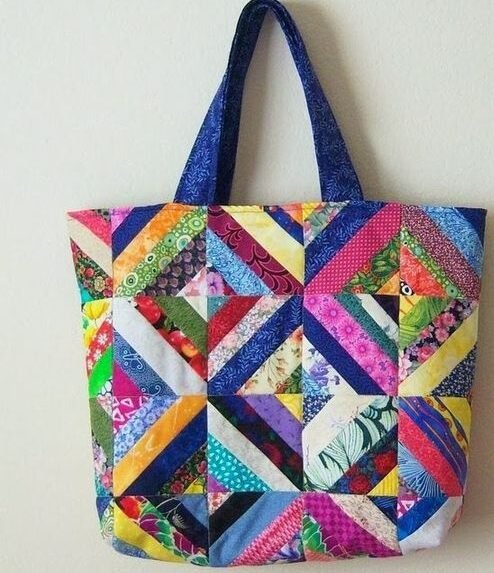
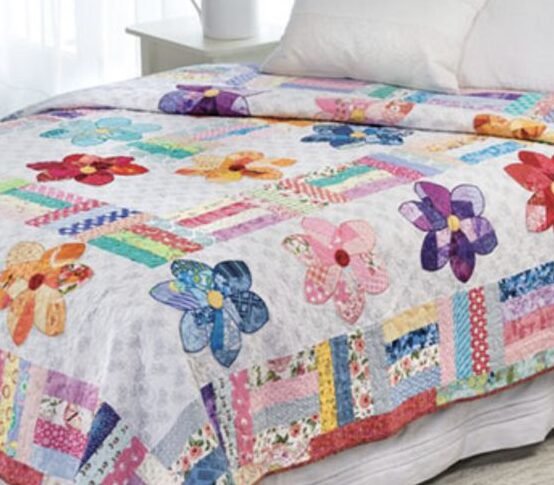
The Twisted Rail Fence – TUTORIAL is a beautiful evolution of one of the most beloved traditional quilt blocks. If you love classic patchwork with a modern twist, this design offers the perfect combination of movement, depth, and visual impact. While the traditional Rail Fence pattern is known for its straight strip construction, the “twisted” variation transforms simple piecing into a dynamic layout that looks far more complex than it actually is.
This pattern is perfect for quilters who enjoy strip piecing techniques and want to experiment with layout variations that create the illusion of curves and motion. Whether you are a confident beginner ready to level up or an experienced quilter looking for a fresh project, this tutorial will guide you through everything you need to know to create a stunning quilt using the Twisted Rail Fence design.
In this guide, you will learn about fabric selection, color placement strategies, cutting and piecing methods, layout assembly, and finishing tips to help your quilt look polished and professional.
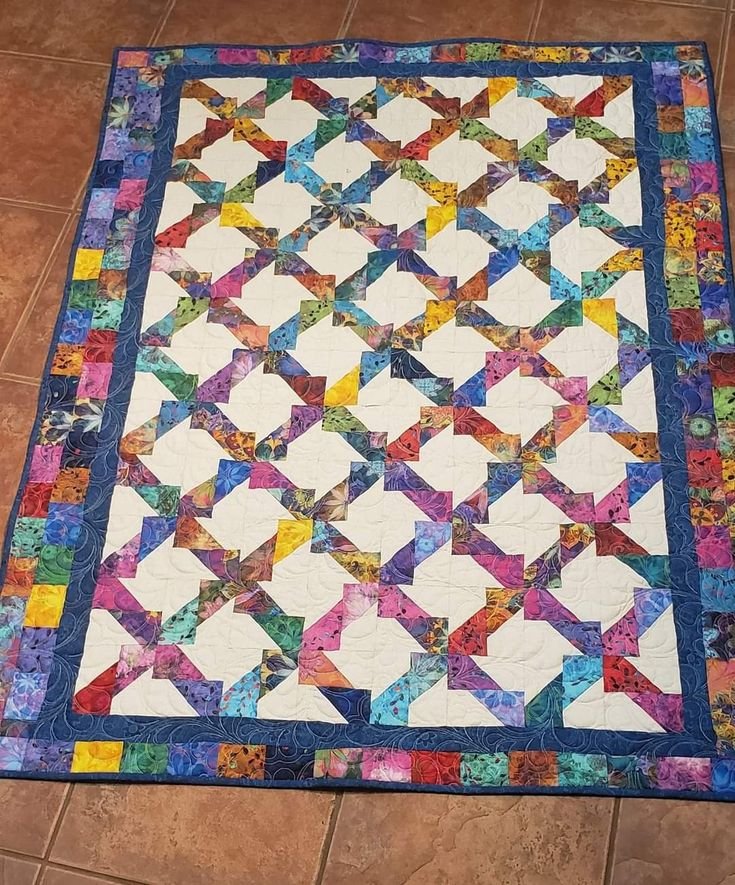
1. Understanding the Twisted Rail Fence Block
The classic Rail Fence block is made by sewing strips of fabric together, cutting them into segments, and rotating those segments to create a simple but visually pleasing pattern. The Twisted Rail Fence – TUTORIAL takes this foundational concept and introduces a clever rotation and layout arrangement that creates a swirling or twisting visual effect across the quilt top.
DISCOVER MORE FREE PATTERNS HERE!
Instead of lining up the strip segments in a predictable grid, this variation rotates blocks strategically. When repeated across the quilt, the blocks create diagonal movement, depth, and sometimes even a braided appearance.
Why quilters love this block:
It is beginner-friendly but looks advanced
It works beautifully with scraps, jelly rolls, or coordinated fabric bundles
It highlights contrast and color placement
It can be made modern, traditional, or rustic depending on fabric choice
The twisting effect relies heavily on value contrast. Light, medium, and dark fabrics placed intentionally will enhance the illusion of movement. If all fabrics are similar in tone, the twist effect becomes more subtle.
This makes fabric planning one of the most important steps in the process.
2. Choosing Fabrics and Colors for Maximum Impact
Fabric selection can completely transform your Twisted Rail Fence – TUTORIAL project. Because the pattern relies on strip piecing, it is especially friendly for pre-cuts such as jelly rolls. However, you can easily cut your own strips from yardage or use scrap fabrics.
Here are some effective fabric strategies:
High Contrast Design
Choose one light, one medium, and one dark fabric. This creates a bold twisting effect and makes the pattern stand out clearly.
Monochromatic Layout
Select different shades of the same color family. This produces a softer, elegant look with subtle movement.
Scrappy Version
Use a variety of prints and colors for each strip set. This is perfect for using leftover fabrics while maintaining consistent strip width.
Ombre Effect
Arrange strips from light to dark in gradient order. When rotated, the blocks create a flowing wave appearance.
When planning your layout, consider how each strip interacts with the next. The twist illusion works best when the value change is noticeable. Lay out your strip sets on a design wall or floor before sewing the entire quilt to visualize the effect.
Fabric Tips:
Use consistent strip width for clean alignment
Press seams carefully to reduce bulk
Starch strips lightly for precision cutting
Square blocks accurately to maintain the twist illusion
Thoughtful preparation ensures your quilt top assembles smoothly.
3. Step-by-Step Construction Guide
The beauty of the Twisted Rail Fence – TUTORIAL lies in its simplicity. Even though the finished quilt looks intricate, the construction process is straightforward.
Step 1: Cut Your Strips
Cut three or four strips of equal width. Common widths are 2.5 inches (jelly roll size) or 2 inches for a tighter look. The length should match your fabric width or desired strip length.
Step 2: Sew Strip Sets
Sew the strips together lengthwise using a consistent quarter-inch seam allowance. Press seams in one direction to reduce bulk and keep edges straight.
Step 3: Subcut Segments
After pressing, cut the strip set into equal-sized segments. For example, if your strips are 2.5 inches wide, cut segments 6.5 or 8.5 inches long depending on your design preference.
Step 4: Rotate to Create the Twist
This is where the magic happens. Rotate each segment 90 degrees before sewing them together into blocks. Arrange blocks so that light and dark sections alternate direction. This creates the twisting illusion.
Step 5: Assemble the Quilt Top
Lay out all blocks before sewing rows together. Pay close attention to orientation. A single rotated block can disrupt the overall visual flow.
Step 6: Sew Rows and Press
Sew blocks into rows, then join rows together. Press seams carefully and keep everything aligned to preserve the design integrity.
The result is a quilt top full of movement and depth that appears far more complex than the construction method suggests.
4. Finishing Touches and Quilting Ideas
Once your quilt top is complete, it is time to think about quilting and finishing. The Twisted Rail Fence – TUTORIAL offers many quilting possibilities.
Quilting Designs That Enhance the Twist:
Straight-line quilting following the strip direction
Diagonal quilting to emphasize movement
Free-motion swirls for added softness
Crosshatch quilting for a classic finish
Binding Choices:
Solid binding frames the quilt cleanly
Striped binding adds playful contrast
Scrappy binding complements a colorful quilt
Before quilting, make sure your top is well pressed and squared. Baste carefully to avoid shifting, especially along diagonal lines created by the twist.
If gifting the quilt, consider adding a personalized label with the pattern name and completion date. Handmade quilts carry stories, and small details make them even more meaningful.
The Twisted Rail Fence design works beautifully for throw quilts, bed quilts, baby quilts, and even wall hangings. Its versatility makes it a pattern you can return to again and again with different fabric combinations.
Frequently Asked Questions (FAQ)
Is the Twisted Rail Fence suitable for beginners?
Yes. If you are comfortable with strip piecing and maintaining a consistent seam allowance, this pattern is very approachable.
Can I use jelly rolls for this quilt?
Absolutely. Jelly rolls are perfect because they provide consistent strip width and coordinated fabrics.
How do I prevent my blocks from warping?
Accurate cutting, consistent seam allowance, and careful pressing are key. Avoid stretching fabric while sewing.
What size quilt can I make with this pattern?
You can adjust the number of blocks to create anything from a baby quilt to a king-size quilt.
Do I need a design wall?
It is helpful but not required. You can lay blocks out on a clean floor or large table to preview the twist effect.
Conclusion
The Twisted Rail Fence – TUTORIAL proves that simple strip piecing can create stunning visual results. With thoughtful fabric selection and careful block rotation, you can transform basic strips into a dynamic quilt full of movement and personality.
This pattern is perfect for experimenting with color, using scraps, or creating a coordinated masterpiece. Once you try it, you may find yourself making multiple versions just to explore different fabric combinations.
PATTERN VIDEO:
Have you tried a Twisted Rail Fence quilt before? Share your experience and ideas in the comments. Your creativity might inspire another quilter to start their next project today.