
Tote Bag Pattern is one of the most versatile sewing projects you can make, combining functionality, durability, and timeless style in one beautiful accessory. Whether you need a reliable everyday bag for shopping, work, school, the beach, quilting supplies, or weekend outings, a handmade tote bag offers endless possibilities for personalization. This Tote Bag Pattern tutorial will guide you through every step of the construction process, helping you create a professional-quality bag with sturdy handles, reinforced seams, spacious interior storage, and an attractive finish that you’ll be proud to use every day.
One of the reasons the Tote Bag Pattern remains a favorite among sewists is its adaptability. You can customize the size, fabric combinations, pocket layouts, closures, and decorative details to suit your personal style. From modern minimalist totes to colorful patchwork creations, every version reflects your creativity while providing practical everyday use. This project also makes an excellent handmade gift for birthdays, holidays, Mother’s Day, teachers, or anyone who appreciates beautifully crafted accessories.
Even if you are relatively new to quilting and sewing, this Tote Bag Pattern is approachable because it uses straightforward construction techniques that build confidence while teaching valuable skills. Throughout this tutorial, you’ll learn how to select fabrics, cut pattern pieces accurately, prepare interfacing, assemble the exterior and lining, attach sturdy handles, add pockets, reinforce stress points, and finish the bag using professional sewing methods for long-lasting durability.
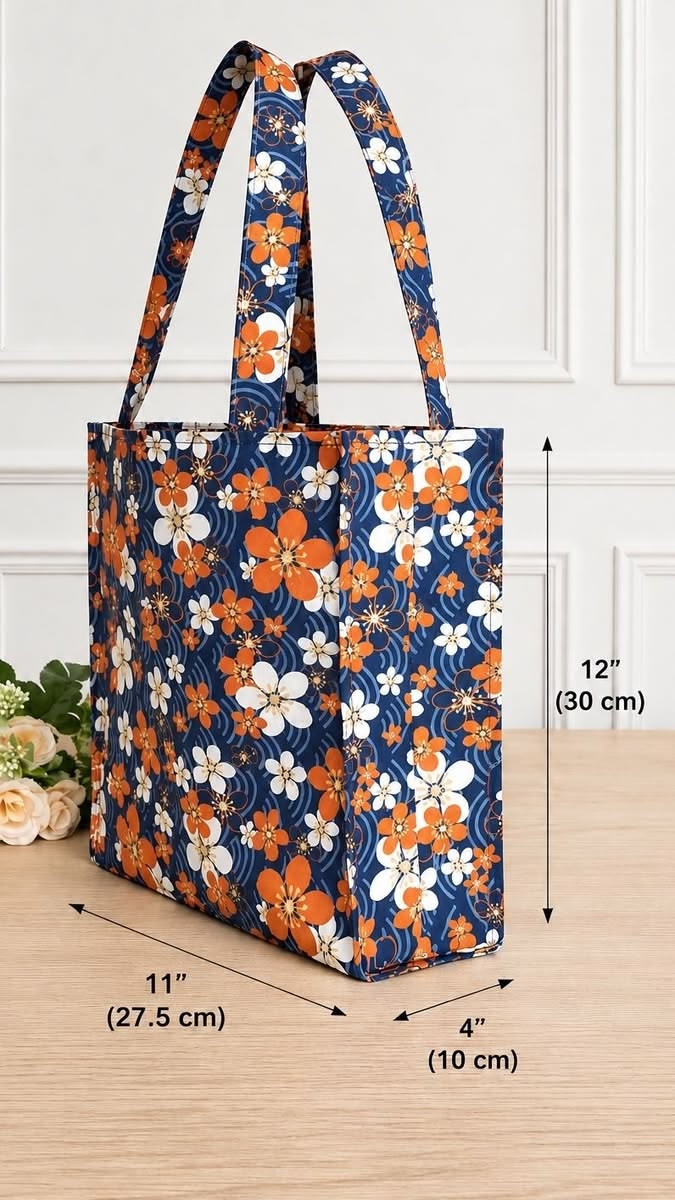
Choosing Fabrics and Materials for Your Tote Bag Pattern
The first step in creating a durable Tote Bag Pattern is selecting high-quality materials. Medium to heavy-weight cotton canvas, quilting cotton combined with fusible interfacing, linen, denim, or cotton duck are excellent choices. These fabrics provide enough structure to support everyday use while remaining easy to sew on most home sewing machines.
DISCOVER MORE FREE PATTERNS HERE!
If you prefer a softer bag, quilting cotton paired with woven fusible interfacing creates a lightweight yet stable fabric. For heavier tote bags intended to carry books, groceries, or craft supplies, consider using foam stabilizer or heavier interfacing to increase structure and improve shape retention.
Choose coordinating fabrics for the exterior, lining, pockets, and handles. Floral prints, solids, patchwork blocks, geometric fabrics, and seasonal prints all work beautifully. Contrasting linings add a fun surprise every time the bag is opened, while matching fabrics create a clean, sophisticated appearance.
Additional supplies include matching thread, fusible interfacing, rotary cutter, quilting ruler, fabric scissors, sewing clips or pins, iron, measuring tape, seam gauge, and a sewing machine with a sturdy universal or denim needle depending on your fabric selection.
Before cutting your fabric, prewash and press all materials thoroughly. This removes excess shrinkage and ensures accurate cutting. Pressing each fabric flat also helps achieve precise seams and professional-looking construction throughout the project.
Finally, organize your pattern pieces carefully before beginning. Label each section if necessary, including exterior panels, lining pieces, pockets, handle strips, base panels, and optional accent pieces. Proper preparation simplifies the sewing process from start to finish.
Cutting and Assembling the Tote Bag
Begin your Tote Bag Pattern by cutting all fabric pieces accurately according to the pattern measurements. Use a rotary cutter and quilting ruler for straight, clean edges that fit together perfectly during assembly.
Fuse interfacing to the wrong side of the exterior fabric pieces following the manufacturer’s instructions. Properly applied interfacing provides structure while preventing stretching and sagging during everyday use.
If your design includes exterior pockets, decorative quilting, embroidery, or patchwork blocks, complete these elements before assembling the main bag body. Finishing decorative details early allows easier handling while keeping the construction process organized.
Next, sew the exterior panels together using the recommended seam allowance. Press every seam after stitching. Consistent pressing creates crisp edges, reduces bulk, and contributes significantly to the polished appearance of the finished Tote Bag Pattern.
Repeat the same process for the lining pieces, leaving a turning opening along the bottom seam if the bag will be finished using the birthing method. Reinforce corners with backstitching to improve durability during frequent use.
If your pattern includes boxed corners, sew them carefully according to the markings. Boxed corners provide additional interior space and help the tote bag stand upright when placed on flat surfaces.
Attaching Handles and Completing the Bag
Strong handles are one of the most important features of a durable Tote Bag Pattern. Fold each handle strip lengthwise, press, fold the raw edges inward, and topstitch both long sides. This creates thick, comfortable handles capable of supporting heavier loads.
Position the handles evenly on the exterior bag using the measurements provided in the pattern. Double-check alignment before stitching permanently. Symmetrical handle placement ensures the finished bag hangs comfortably when carried.
Secure the handles using reinforced box stitching with diagonal crosses or multiple rows of stitching. These reinforcement techniques distribute weight evenly and greatly improve the longevity of the finished tote.
Place the exterior and lining right sides together, matching all side seams and upper edges carefully. Sew completely around the upper edge, maintaining consistent seam allowances throughout.
Turn the bag right side out through the opening left in the lining. Push out all corners carefully using a blunt turning tool or chopstick. Sew the lining opening closed either by machine or with an invisible hand stitch.
Finish your Tote Bag Pattern by placing the lining inside the exterior and pressing the upper edge neatly. Topstitch around the opening to secure the lining and create a clean, professional finish.
Customization Ideas and Finishing Tips
One of the greatest advantages of the Tote Bag Pattern is its endless customization possibilities. Add zippered pockets, magnetic snaps, recessed zippers, key holders, bottle pockets, laptop sleeves, or divided compartments to create a bag tailored specifically to your lifestyle.
Decorative quilting transforms a simple tote into a unique handmade masterpiece. Straight-line quilting, free-motion quilting, patchwork panels, appliqué, embroidery, or decorative stitching all add texture and personality while increasing stability.
For eco-friendly shopping bags, choose durable canvas fabrics and reinforce the base with an extra layer of interfacing. These sturdy bags can replace disposable shopping bags while showcasing your sewing skills.
Personalize the finished tote with monograms, fabric labels, decorative buttons, leather accents, cork fabric details, or contrasting piping. Small finishing touches make every Tote Bag Pattern feel truly one of a kind.
To care for your finished tote, machine wash according to your fabric selection, reshape while damp if necessary, and press lightly before using. High-quality cotton fabrics become softer over time while maintaining excellent durability.
Most importantly, enjoy experimenting with new fabric combinations and design variations. Every completed Tote Bag Pattern helps improve your sewing skills while producing a practical accessory that will serve you for years.
Frequently Asked Questions
Is the Tote Bag Pattern suitable for beginners?
Yes. Beginners with basic straight-seam sewing experience can successfully complete this project while learning valuable construction techniques.
What fabric is best for tote bags?
Canvas, quilting cotton with interfacing, denim, cotton duck, and linen are all excellent choices depending on the desired structure and intended use.
Can I add a zipper?
Absolutely. Many tote bag designs can easily be modified to include recessed zippers or full zip-top closures for added security.
How can I make the bag sturdier?
Use fusible woven interfacing, foam stabilizer, reinforced handles, boxed corners, and multiple rows of topstitching for additional durability.
Can I make different sizes?
Yes. Once you understand the construction process, you can easily adjust the dimensions to create mini totes, market bags, beach bags, or oversized project bags.
How long does this project usually take?
Depending on the design complexity, most sewists complete a Tote Bag Pattern within three to six hours.
Can I use recycled fabric?
Certainly. Recycled denim, vintage quilts, canvas, and cotton clothing all make wonderful materials for unique handmade tote bags.
Is this a good gift project?
Definitely. Handmade tote bags are thoughtful gifts that combine beauty, practicality, and lasting craftsmanship.
Conclusion
The Tote Bag Pattern is a timeless sewing project that combines creativity, durability, and everyday functionality into one rewarding handmade accessory. Throughout this tutorial, you learned how to choose suitable fabrics, prepare pattern pieces, assemble the exterior and lining, reinforce handles, create sturdy construction, personalize the design, and finish the bag using professional sewing techniques.
Whether you’re sewing a practical everyday tote, a stylish shopping bag, a quilting project bag, or a thoughtful handmade gift, this project provides countless opportunities to develop your sewing skills while creating something beautiful and useful. With every new fabric combination and design variation, you’ll discover even more possibilities for making your own unique Tote Bag Pattern.
PATTERN VIDEO
If you enjoyed this Tote Bag Pattern tutorial, we would truly love to hear from you. Please leave your honest opinion, share your sewing experience, and let us know your suggestions for future quilting and sewing patterns. Your sincere feedback inspires new ideas and helps build a creative community of passionate makers around the world.